


Asbestos Special Projects: Project Profiles
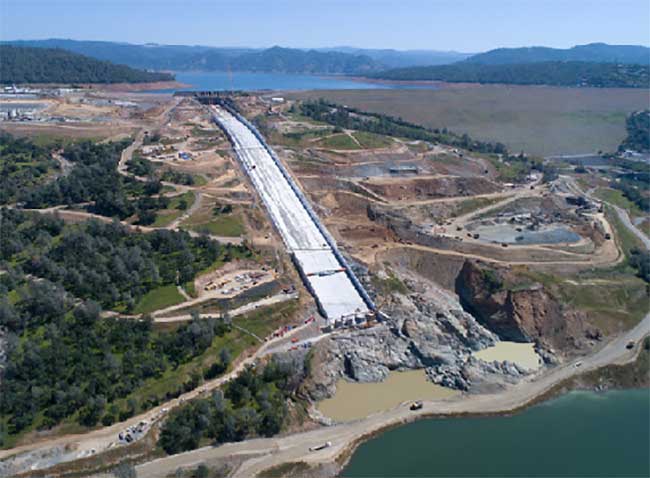
Dam Reconstruction – Oroville, California
EMSL Analytical, Inc. provides laboratory services related to the reconstruction of the Oroville Dam spillway in Northern California. This complex project is predominantly focused on Naturally Occurring Asbestos (NOA); both regulated and non-regulated Amphibole mineral speciation utilizing polarized light microscopy (PLM) and transmission electron microscopy (TEM). Work performed over the past two years includes air and bulk sampling on thousands of air samples for varying, quick turnaround times. Harnessing the power of EMSL’s network of U.S. laboratories, we have been able to successfully report results within the client’s requested turnaround time.
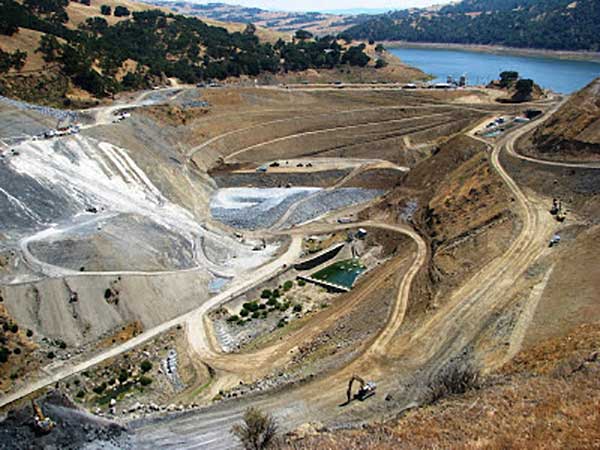
Dam Construction – Western United States
EMSL Analytical, Inc. provides laboratory services at a large Naturally Occurring Asbestos (NOA) construction project in California. Work performed includes transmission electron microscopy (TEM) analyses on hundreds of air samples for NOA; both regulated and non-regulated Amphibole mineral speciation.
(Photo courtesy of Water System Improvement Program Sunol Valley)
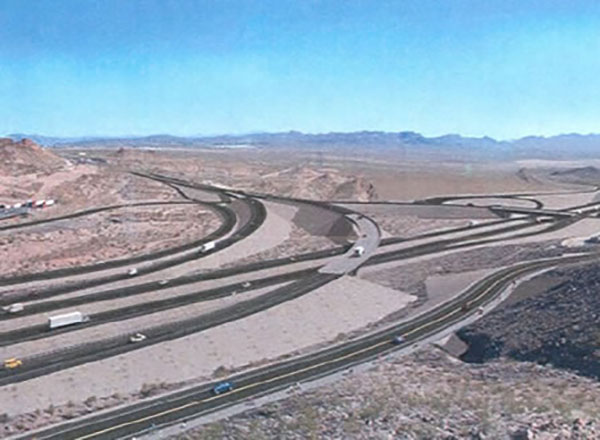
Interstate Construction – Boulder City, Nevada
EMSL Analytical, Inc. provides laboratory services at a large construction project in the southwestern United States. Work performed over the past three years includes PLM, PCM and TEM analyses on hundreds of samples for varying turnaround times. EMSL has also assisted with method development, method validation and technical consulting support. This analysis predominantly focused on Naturally Occurring Asbestos (NOA), Amphibole mineral speciation and the presence of Erionite.
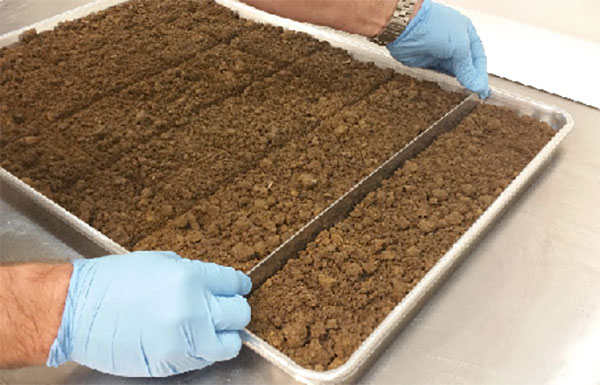
Asbestos in Metavolcanic Rock – School site, California
Client is investigating the extent of Naturally Occurring Asbestos (NOA) contamination in metavolcanic rock (amphibolite schist) at a school construction site in California. EMSL has performed a combination of California Air Resources Board (CARB) 435 method using PLM and TEM, as well as TEM Mass Analysis coupled with ASTM D-7521, in an effort to provide strategic information. Incremental Sampling Methodology (ISM) was also performed at project inception.

World Trade Center Emergency and Remedial Response – New York, NY
As an EPA contract laboratory, EMSL Analytical, Inc. was selected as the analytical laboratory for the World Trade Center (WTC) emergency and remedial response efforts and to implement major analytical activities related to indoor air and settled dust sampling in lower Manhattan. The sampling activities occurred in three separate phases. The first phase included activities related to a major background study in Manhattan. The second phase included activities related to a pilot study to determine effective cleaning mechanisms and techniques on indoor areas directly impacted by the collapse of the WTC towers. The third phase included testing and cleaning activities related to response to EPA sponsored relief program for Manhattan residents. From 2001 to 2003, EMSL analyzed over 80,000 air samples by transmission electron microscopy (TEM) AHERA and phase contrast microscopy (PCM) NIOSH 7400 samples related to on-going clean-up efforts. EMSL also performed analysis of additional nonasbestos parameters during this time period including metals, silica and MMVF.
(Photo courtesy of Jonathan Lockwood Smith, JLS Photo, www.911memorial.org)

World Trade Center Indoor Dust Test and Clean Analytical Support – New York, NY
As an EPA contract laboratory, EMSL Analytical, Inc. was selected as the analytical laboratory for the World Trade Center (WTC) test and clean project. This Test and Clean Program plan was the result of ongoing efforts to monitor the current environmental conditions for residents and workers impacted by the collapse of the World Trade Center (WTC) towers. Over a one year period, EMSL analyzed more than 10,000 samples including air samples via transmission electron microscopy (TEM) AHERA, phase contrast microscopy (PCM) NIOSH 7400, settled dust via TEM Microvac ASTM D5755-03, and manmade vitreous fiber (MMVF) analysis via scanning electron microscopy (SEM).
(Photo courtesy of www.untappedcities.com)

Tree Bark and Forest Floor – Libby, Montana
EMSL Analytical, Inc. provides laboratory services on a Libby sister site at a large asbestos project in the northwestern United States. Work performed focused on the prep and analysis of tree bark and forest floor material by transmission electron microscopy (TEM). EMSL has also assisted the client with navigating the government Employment Development Department (EDD) requirements and analysis specifics.

Water Analysis – Great Lakes Region United States
EMSL Analytical, Inc. provides laboratory services for a large mine in the Great Lakes region of the United States. Work performed focused on the analysis of Naturally Occurring Asbestos (NOA) in Taconite ore. This worked involved Amphibole identification by transmission electron microscopy (TEM) in water samples.
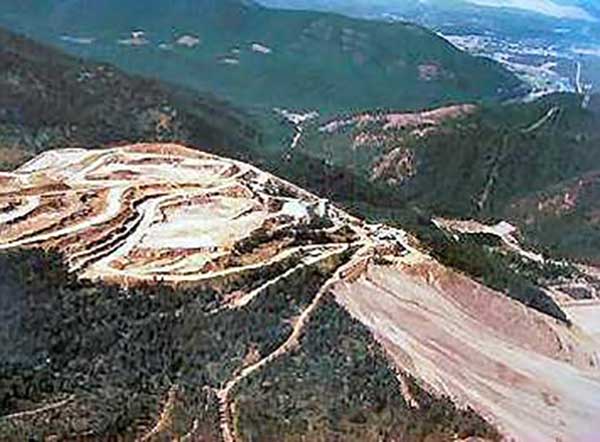
Superfund Site – Libby, Montana
EMSL Analytical, Inc. under contract with the U.S. Environmental Protection Agency (US EPA), continues to provide asbestos emergency response analytical support at the Libby Asbestos Superfund Project site in Libby, Montana. Work performed over the past 18 years includes polarized light microscopy (PLM), phase contrast microscopy (PCM), and transmission electron microscopy (TEM) analyses on hundreds of thousands of samples for varying turnaround times, for numerous matrices including soil, vermiculite, air, water, settled dust, tree bark and forest floor duff. EMSL has also assisted with method development, method validation and technical support to the project.
(Photo courtesy of EPA Region 8)
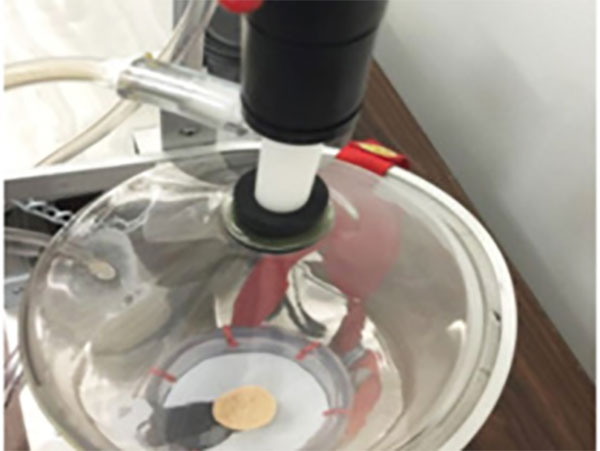
Fiber Releasability Study – Southwestern United States
EMSL Analytical, Inc. provides laboratory services at a local Naturally Occurring Asbestos (NOA) and Erionite project in the southwestern United States. Work performed over the past two years includes PLM and TEM analyses on numerous soil samples. EMSL also provide technical support as the scope of work changed and advise on tests and analytical techniques that would provide the best results. In this case the Fluidized Bed Asbestos Segregator (FBAS) was selected as the best approach. This analysis predominantly focused on NOA and Amphibole mineral speciation.
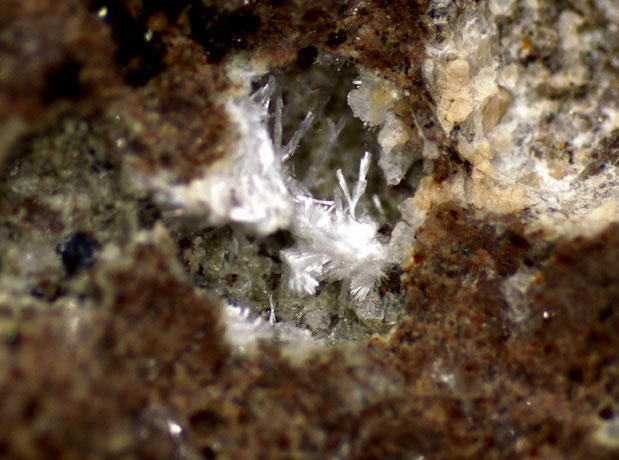
Erionite Analysis – Various Projects
EMSL Analytical, Inc. provides laboratory services on several large Erionite projects. Erionite is listed as a class I carcinogen by the IARC. Work over the past two years has focused on reliable analysis electron microscopy analysis of soil, rock and air samples. EMSL has assisted with method development and is the first commercial lab to offer Cryogenic TEM for defensible Erionite identifications. Two notable projects for Erionite that EMSL has worked on are: characterization of the EPA Erionite reference material used for health studies and providing analysis on a state wide survey of pit material used on NV DOT projects.
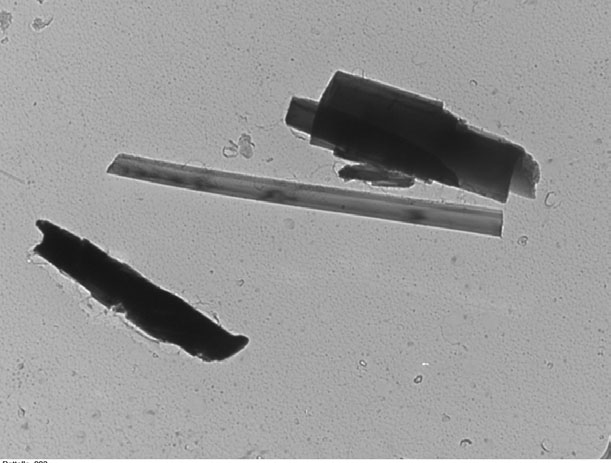
Animal Lung Tissue Study
For the last six years EMSL has been part of an ongoing research program sponsored by the National Toxicology Program, National Institute of Environmental Health Sciences (NTP/NIEHS), to prepare animal lung tissue for microscopy. EMSL scientists worked with the client on developing methods for the full characterization and assessment of fiber lung burden in asbestos-exposed rats. We provided comprehensive, high-quality data to help our client tackle the fundamental concerns surrounding short term and chronic asbestos exposure and toxicity.
Inhalation Study – United States
EMSL Analytical, Inc. provided laboratory services and technical consultation for a National Toxicology Program project investigating asbestos exposure. Through the use of our extensive instrumentation we were able to provide, SEM, TEM and XPS data on a project with a fluid scope of work. This long term project focused on Bulk Chemical characterization of the dosing material, particle size distributions and tissue sample preparation.

Asbestos in Crayons
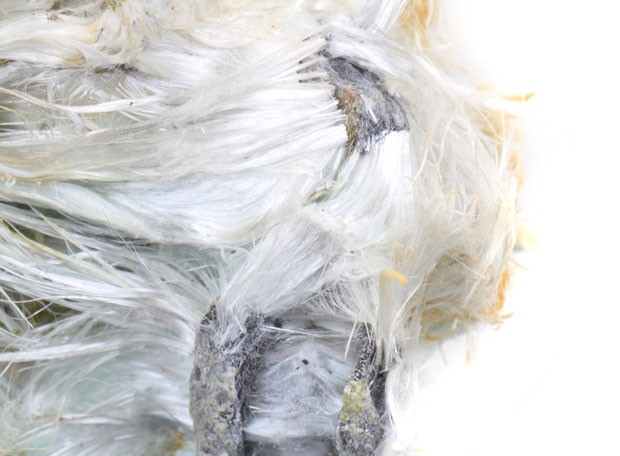
EMSL Analytical, Inc. has worked with consumers and advocacy groups on detection of asbestos in crayons. The asbestos present in some crayons are believed to come from contaminated talc deposits. With the pressure of the potential liability of asbestos exposure, more consumers and manufacturers are using EMSL Analytical’s analytical expertise to ensure the reliability and defensibility of their data. Our client’s recognize EMSL’s diverse instrumentation and depth of experience which allows them to ship samples to one location and have a variety of tests completed within EMSL’s Corporate Headquarters. The samples are seamlessly transferred through different advanced analytical techniques – including XRD, PLM, SEM and TEM.

Asbestos in Automotive Parts
Several ATV, Snowmobile and automobile manufacturers had to recall thousands of vehicles for violating the asbestos ban in Australia, Europe and New Zealand due to the presence of contaminated friction materials. EMSL possesses vast experience in supporting the needs of these various companies in documenting and analyzing the different components of the vehicles; such as clutch linings, muffler assemblies, brake pads shoes and gaskets. Most commercial asbestos laboratories only have analysis experience with routine, bulk building materials. EMSL has 37 years of experience in the asbestos industry that enables our expert staff to provide analytical support to complex, non-routine asbestos analysis for these materials which require specialized sample preparation techniques.

Asbestos in Cosmetics
Over the last few years cosmetics and talc powders have come under significant scrutiny due to the presences of asbestos. Laboratory analysis of these products is highly specialized and requires specific technical knowledge and experience for defensible data. The issue lies on the fact that it is not always possible to distinguish truly asbestiform minerals from cleavage fragments on a fiber by fiber basis. EMSL Analytical, Inc. has the analytical depth to address these challenges head on. EMSL has worked with litigation experts, risk assessors, manufacturers and consumers to put their samples through the scientific rigor needed to provide accurate and reliable results. Our scientists and project managers are industry leaders who serve on various professional development committees and work hard to meet the expectations of our customers. We pride ourselves on being true project partners and provide the necessary technical support to help them navigate the liabilities and limitations of the methods and regulations in regard to these challenging samples.


 English
 French
 Spanish
 Portuguese