


Importance of Fungal Speciation
By: Zeljko Jurjevic, Ph.D., EMSL Analytical, Inc.
© October 2022
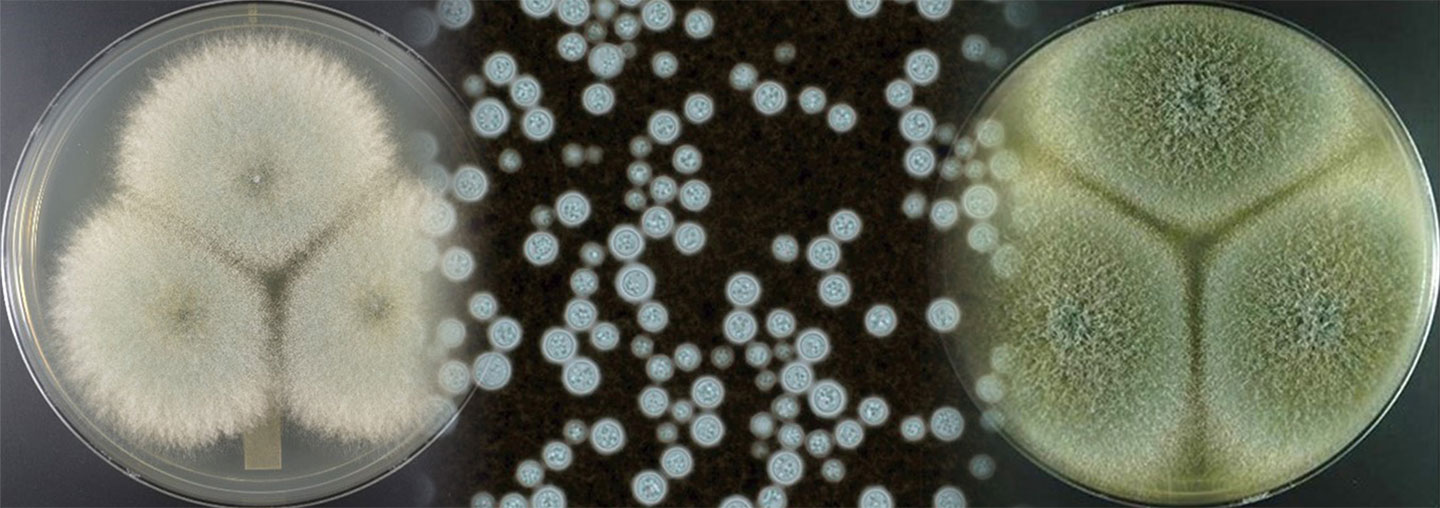
Fungi are very adaptable microorganisms that can be found in almost all known ecological habitats. They have important roles in food production, food spoilage, plant and animal disease, medicine, bio-control, and in decomposition.
Recent medical studies are finding that invasive fungal infections caused by certain molds like Cryptococcus neoformans, Aspergillus fumigatus, Candida albicans, Candida auris (https://www.npr.org/sections/ goatsandsoda/2022/10/26/1131602076/) and others are increasing, especially in immuno-compromised patients. Additionally, these invasive fungi are becoming more resistant to anti-fungal drugs, particularly with Aspergillus infections.
Many of these fungi can produce mycotoxins, which are fungal metabolites that have been implicated in a range of human and animal health conditions. They have been shown to be carcinogenic, immunosuppressive, hemorrhagic, hepatotoxic, mutagenic, nephrotoxic, neurotoxic, and teratogenic.
Fungal speciation is becoming critically important for the selection of appropriate therapies. Recent discoveries of new fungi are changing traditional views on indoor fungal contaminants.
At EMSL Analytical, Inc., we are routinely testing for Cryptococcus neoformans, Aspergillus fumigatus, Candida albicans and Candida auris and many other invasive fungal pathogens found in the environment. To identify these fungi to the species level we must use fungal culturing, molecular DNA tests or a combination of both.
Some of our most popular, fast, and reliable tests are:
M432 – Opportunistic Fungal Pathogen Screen
M433 – Aspergillus Nosocomial Culture Panel
M188 – PCR, Aspergillus Nosocomial 6 Panel
M286 – Candida auris qPCR
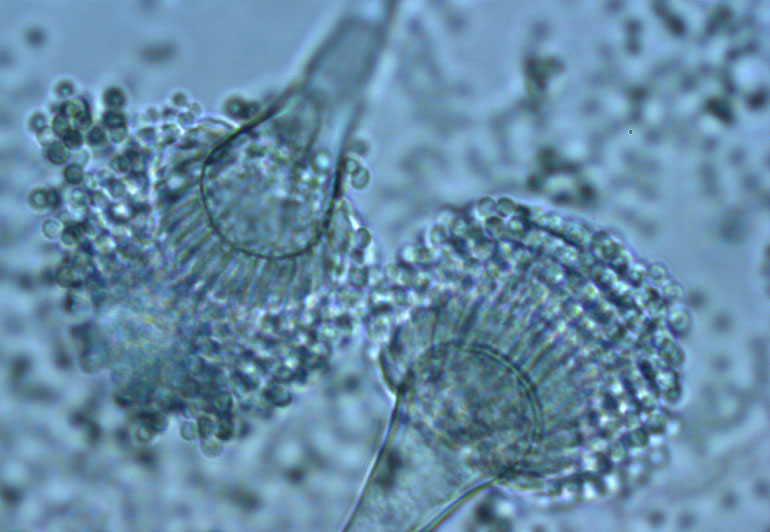
Aspergillus fumigatus
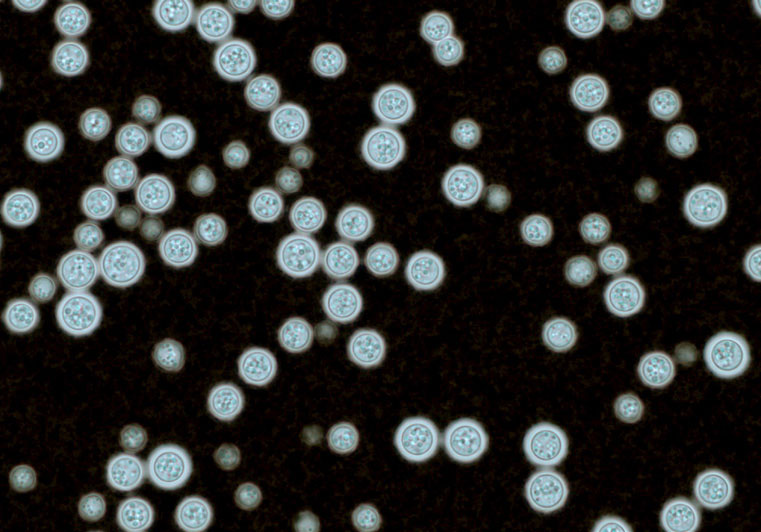
Cryptococcus neoformans
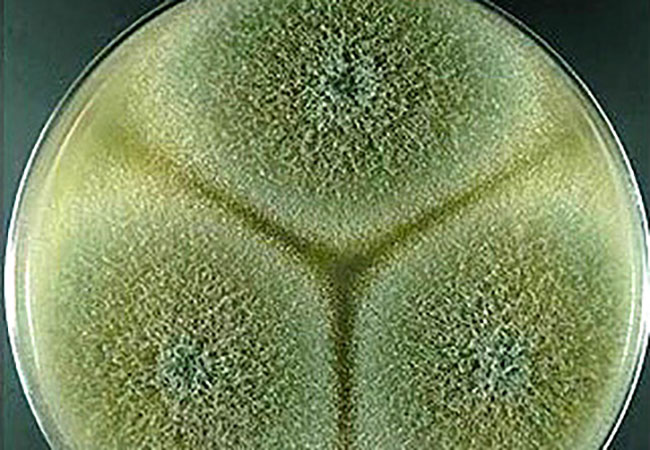
Aspergillus fumigatus


 English
 French
 Spanish
 Portuguese