


Electron Capture Detector (ECD) Leak Wipe Test
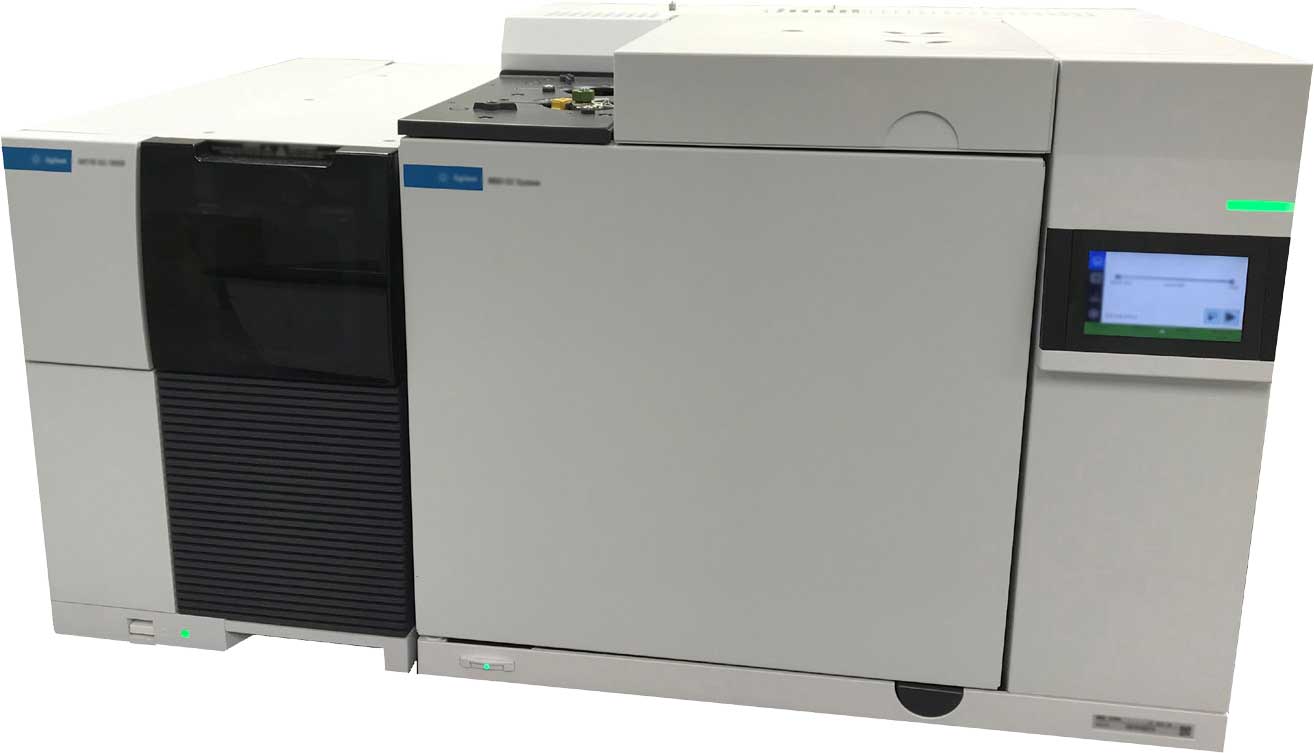
An electron capture detector (ECD) is a widely used device in a gas chromatograph to detect electron-absorbing samples such as halogen compounds. Each ECD usually contains 10-15 millicuries of Nickel-63 (NI-63), a sealed radioactive source. The U.S. Nuclear Regulatory Commission (NRC) requires that each licensee who uses a sealed source should have the source tested for leakage every six months. If contamination levels exceed 0.005 microcuries, the leakage should be reported to the NRC. The licensee should keep a record of leak test results in units of microcuries and retain the record for inspection by the NRC for three years after the leak test is performed.
For more information, please refer to “NRC Regulations (10 CFR) § 39.35: Leak testing of sealed sources” here: http://www.nrc.gov/reading-rm/doc-collections/cfr/part039/part039-0035.html
Target Market
The target market for this specific testing includes other laboratories and/or companies that have any instruments that contain radioactive materials or have the potential to release radioactive particles.
- Gas Chromatography with Electron Capture Detector (GC-ECD) Instrument
What is Nickel-63?
Nickel-63 (NI-63) is a beta emitter that can cause potential harm if absorbed in the body. Overtime, ECD instruments may leak and potentially radiate the operators. Ni-63 has a half-life of 100 years.
What is an isotope?
Any of two or more species of atoms of a chemical element with the same atomic number and nearly identical chemical behavior but with differing atomic mass or mass number and different physical properties.
What is a half-life?
The time required for a radioactive substance to lose 50 percent of its radioactivity by decay is known as the half-life.


 English
 French
 Spanish
 Portuguese