


VIA-PACT 400 Instruction Manual
Viable Microbial Particle Sampler Operating Manual
Introduction
The microbial content of air has been an area of increasing concern. An EPA report found that Indoor Air Quality (IAQ) problems cost businesses $60 billion annually and since most people spend the majority of their time indoors, approximately 90%, this is of enormous concern.
Microbial concerns for IAQ have been demonstrated in numerous high profile cases. One of the first high profile cases was the fatal Legionella outbreak in 1976 at an American Legion convention. Increasing awareness, health care concerns, and legal liabilities have thrust IAQ into one of the leading environmental issues.
Biological aerosols are defined as viable solid or liquid particles in the air. These can range in size from 0.1 micron in diameter viruses to fungal spores of 100 microns or more in diameter. These organisms may occur as single unattached organisms or as multiple aggregates.
There are two constraints of bioaerosol samplers for useable results. First, the organism must be separated from air to conduct a viable assay and second, the organism must be viable and capable of reproducing to provide useful results.
Single Stage Viable Particle Sampler
The Via-Pact 400 is an aluminum device held together by three spring clamps and sealed with two o-ring gaskets. The unit consists of three main stages: an inlet cone, a jet classification stage, and a base plate.
The inlet cone is the top portion of the impactor. Air passes through this stage first as it enters the impactor. The jet classification stage contains 400 precision-drilled holes. When air is drawn through the sampler, it passes through these holes, directing any airborne particles toward the surface of the agar collection surface. The base of the impactor includes a hose barb for connection to the pump. Three tines protrude from the base to support the standard size petri dish.
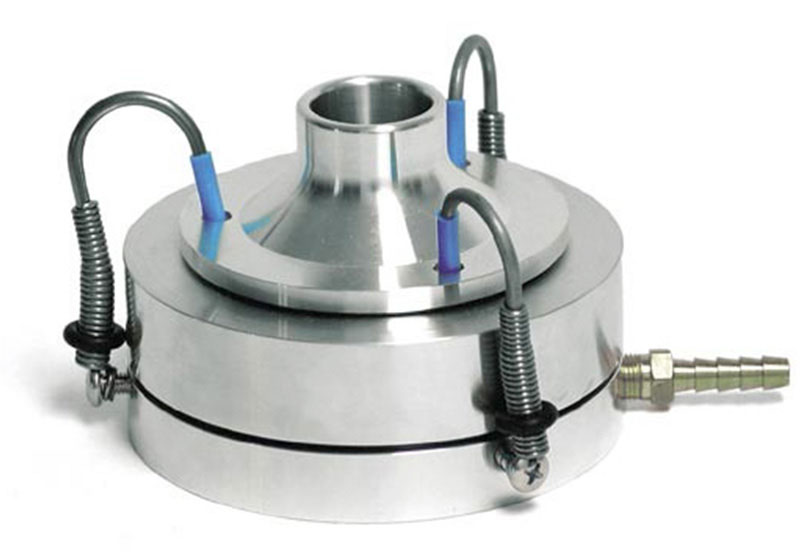
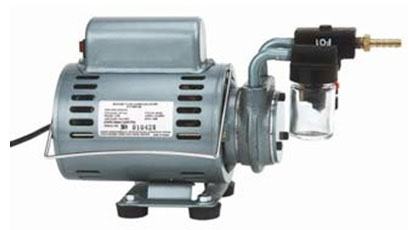
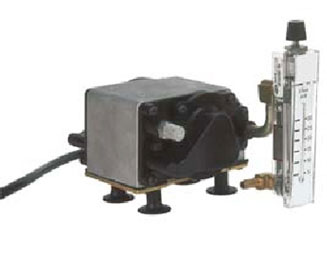
Recommended Sampling Equipment:
- VP-400
- High Volume Vacuum Pump capable of pulling
- 28.3 Lpm
- Rotameter
- Flexible PVC Tubing
- Sampling Media (Standard size Petri dish 15 x 100mm)
- Sealable plastic bags (zip-type bags)
- Isopropyl Alcohol (70%)
- Hand Sanitizer or Single Use Disposable Gloves
- Gauze or paper towel
- Permanent ink marker or pen
Sampling Method
Airflow Rate Adjustment
- Connect the hose barb on the VP-400 to the inlet side of the pump using the flexible tubing, making sure the connections will not leak.
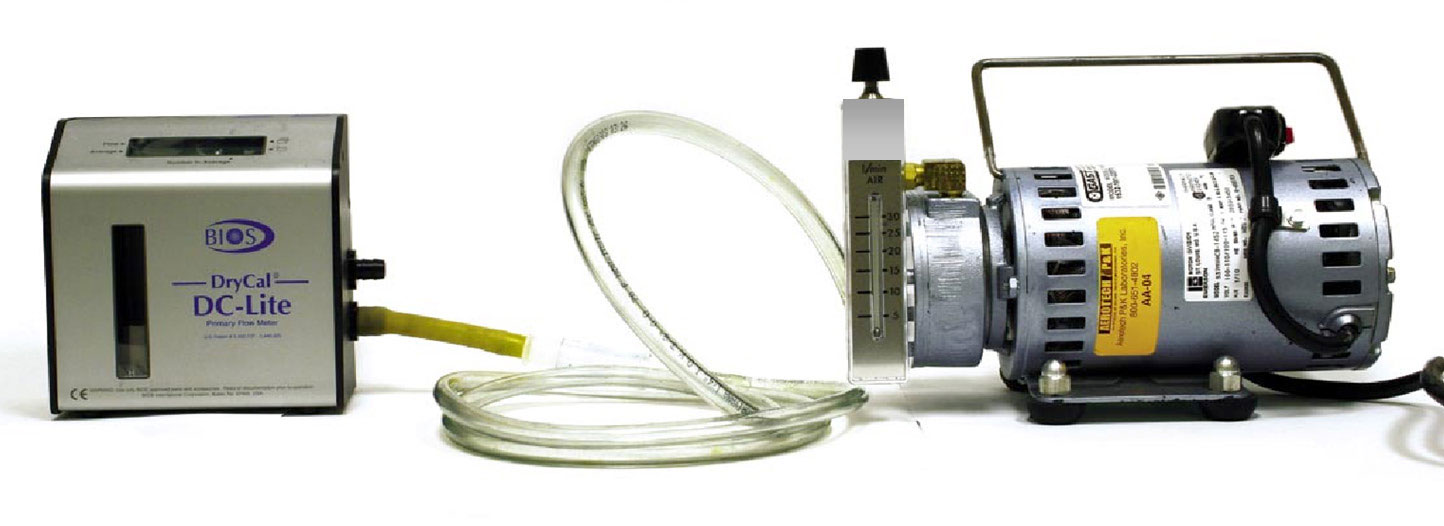
- With the VP-400 and tubing attached to the pump, adjust the airflow of the sampling pump to 28.3 Lpm with a flow meter that has been calibrated to a primary standard. Turn the pump off.
- Do not place an agar plate in the sampler while calibrating the flow meter, as the backpressure of the sampling media is not significant.
- After adjusting flow rate wipe all surfaces of the VP-400 with isopropyl alcohol using a sterile gauze pad.
Sample Collection
- Clean hands with a hand sanitizer or use single-use disposal gloves and sanitize or changes gloves at any point where cross contamination is possible.
- Unhook the springs of the VP-400 lid and remove the inlet cone and the jet classification stage, exposing the base.
- Place an agar plate on the base (with the appropriate media) allowing the bottom to rest on the three tines on the base. Remove the lid from the agar plate and place the lid, sterile side down on the clean surface.
- Immediately replace the jet classification stage and the inlet cone onto the base, making sure the o-rings make a seal at each connection. Secure the device with the three springs clamps and visually check to be sure of a good seal.
- Place the VP-400 on a level surface at a height of 3-4 feet, or on a sampling stand fully extended. Turn on the vacuum pump for the appropriate amount of time.
- Turn off the pump and unhook the three clamps. Quickly replace the agar plate cover and remove the agar plate. Examine the surface of the agar for evidence of impaction. The absence of impaction marks in the agar may indicate improper seal of the o-rings during sample collection, requiring re-sampling. (However, in moist climates, impaction marks may not be present due to excess moisture in the air.)
- Place the agar plate inside a sealable plastic bag. Mark the bag with the appropriate sample identification information.
- Secure the samples and a chain of custody in a cooled shipping container and deliver/ship to the laboratory for analysis.
- Before taking another sample, refer back to step # 1.
Quality Control
The vacuum pump should be calibrated with a Primary Standard prior to use and recalibrated when non-standard temperatures or pressures are encountered. A blank unexposed plate should also be analyzed with each sampling event as a negative control. Outdoor samples should also be collected for comparisons to indoor samples. An indoor control sample should be taken from non-complaint areas. Never use sampling media that has expired, has visible cracks or has been contaminated.
Sample Media
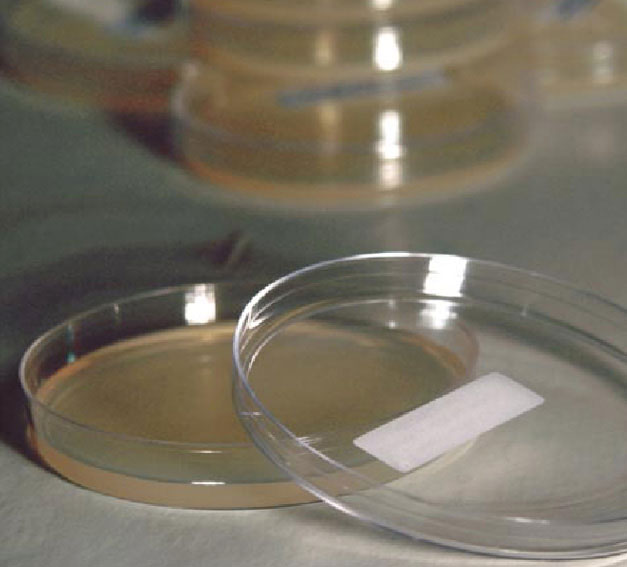
Any medium in a standard size petri dish (15x100mm) may be used with this sampler. The following media are typically used for most bioaerosol investigations. Customized media may be employed for specific applications.
Bacteria: Tryptic Soy Agar (TSA) and Tryptic Soy Agar with 5% Sheep Blood, or Blood Agar (BAP) are commonly accepted, broad-spectrum media for the isolation of bacteria.
Fungi: Potato Dextrose Agar (PDA), Malt Extract Agar (MEA), and Dichloran Glycerol 18 Agar (DG-18) are commonly accepted broad-spectrum media for the isolation of fungi.
Sample Submission
It is essential to ensure sample integrity from initial collection to final reporting. This includes the ability to trace possession of the sample from the collection point to receipt at the laboratory. All samples submitted to a laboratory should be accompanied by a completed Chain of Custody form. This form contains fields for reporting, sample identification, analyses requested, and other important information.
All samples should be properly labeled with a sample identification on the bottom of the agar plate. Each sample should be sealed in a zip type bag or other suitable container to prevent any contamination during shipping. Samples should be stored and shipped in a container such as a cooler that has blue ice to preserve sample integrity and should be received by the laboratory within 24 hours.
Laboratory Analyses
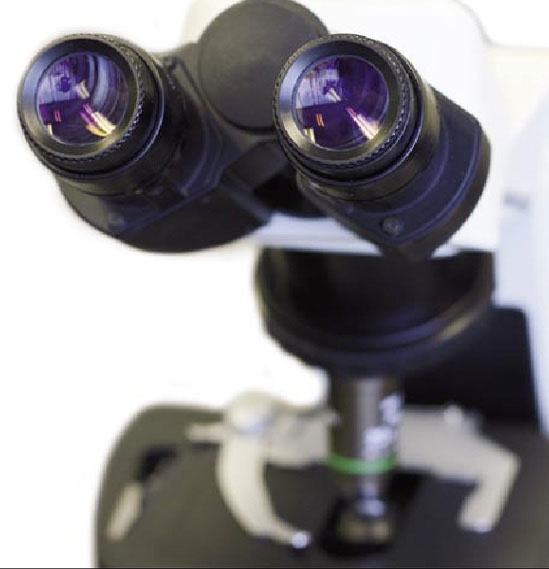
If samples are to be sent to a commercial laboratory it is strongly recommended that a laboratory that has been accredited by A2LA or the American Industrial Hygiene Association’s (AIHA) EMLAP program be utilized.


 English
 French
 Spanish
 Portuguese